
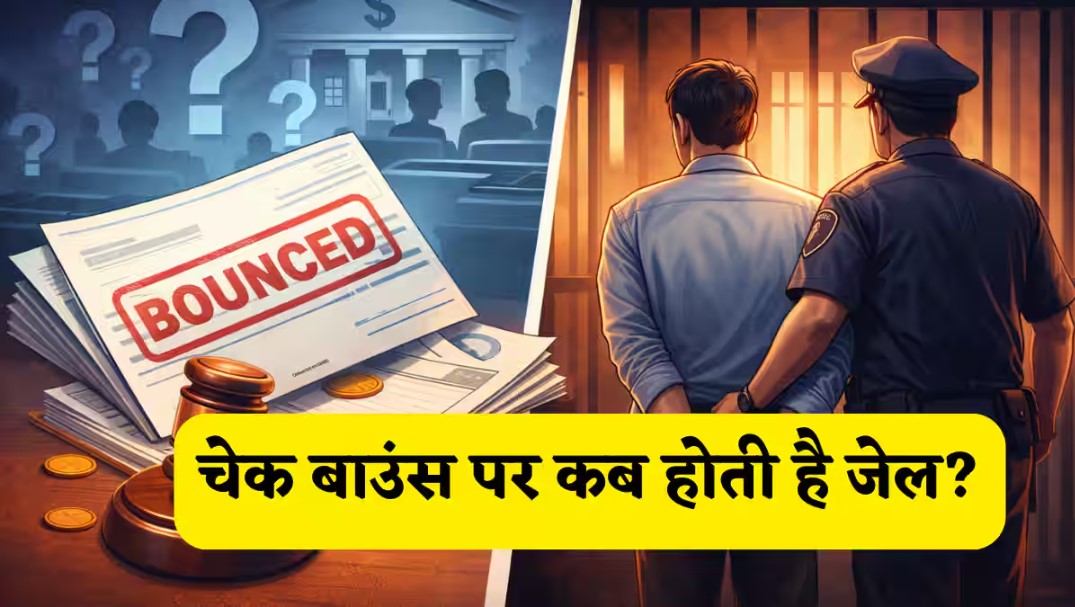
A cheque bounce is not just a minor banking problem. In India, it can turn into a serious legal matter that may lead to fines, court cases, and even imprisonment.
Many people issue cheques without realizing the legal responsibility attached to them. Under Section 138 of the Negotiable Instruments Act, a bounced cheque can result in criminal proceedings if not handled properly.
In this blog, we explain what cheque bounce means, how the law works, the punishment involved, and what steps you should take to stay safe.
What Is a Cheque Bounce?
A cheque bounce happens when a bank refuses to process a cheque due to certain reasons. When this happens, the bank issues a return memo stating why the cheque was dishonoured.
If the cheque was issued to repay a loan, clear business dues, or fulfill a legal obligation, and it bounces, it can become a legal offence.
When Does a Cheque Bounce Become a Criminal Case?
Not every bounced cheque becomes a crime. It becomes a criminal matter when:
- The cheque was issued for a valid debt
- The bank dishonours it
- The issuer fails to make payment after legal notice
When these conditions are fulfilled, Section 138 of the NI Act comes into action.
Understanding Section 138 of the NI Act
Section 138 deals with cheque dishonour cases in India.
It protects the credibility of financial transactions and ensures that people honour their payment commitments.
If a person issues a cheque and fails to clear the payment even after notice, they can be prosecuted under this section.
Common Reasons for Cheque Bounce
A cheque may bounce for several reasons, including:
- Insufficient balan
- Account closed
- Signature mismatch
- Stop payment instructions
- Technical banking errors
Punishment for Cheque Bounce Under Section 138
If the accused is found guilty, the court may impose:
- Imprisonment up to 2 years
- Fine up to twice the cheque amount
- Or both
This makes cheque bounce cases a serious legal issue.
Step-by-Step Legal Process for Cheque Bounce Cases
Understanding the legal procedure helps you respond correctly and on time.
Step 1: Sending Legal Notice (Within 30 Days)
After receiving the return memo, the payee must send a legal notice within 30 days to the cheque issuer.
The notice demands payment.
Step 2: 15-Day Payment Period
After receiving the notice, the accused gets 15 days to clear the dues.
If payment is made within this period, no case is filed.
Step 3: Filing a Complaint in Court
If payment is not made within 15 days, the complainant can file a case within the next 30 days.
The case is filed before the Magistrate.
Step 4: Court Proceedings
The court examines the documents and issues summons.
The accused may:
- Admit liability and settle
- Or contest the case
The final decision is based on evidence and arguments.
What Happens If You Ignore a Cheque Bounce Notice?
Ignoring a legal notice can create serious problems, such as:
- Registration of criminal case
- Court summons
- Arrest warrants
- Damage to reputation
- Difficulty in loans and business
Always respond to legal notices without delay.
How to Avoid Cheque Bounce Cases
You can protect yourself by following simple precautions:
- Maintain sufficient balance
- Avoid unnecessary stop payment requests
- Keep proper transaction records
- Reply to notices on time
- Consult a lawyer early
Being careful today can save you from legal trouble tomorrow.
Why Section 138 Is Important
Section 138 plays a crucial role in maintaining trust in financial transactions.
It ensures that cheques remain a reliable payment method and discourages dishonest practices.
Without this law, business and personal dealings would become risky.
Final Thoughts
Issuing a cheque is a legal commitment. Once you sign and hand it over, you are promising to pay.
If you fail to honour that promise, Section 138 gives the other party the right to take legal action.
So always issue cheques responsibly, respond to notices promptly, and seek legal help when needed.


Leave a Reply